Avian Birding Guide
Best Places to See the Shoebill Stork in Uganda: Mabamba vs Mubwindi Swamp
The elusive, prehistoric-looking Shoebill Stork (Balaeniceps rex) is the ultimate prize for international birdwatchers traveling to East Africa. Standing nearly five feet tall with an unyielding golden gaze and a massive, razor-edged shoe-shaped bill, observing this dinosaur-like predator hunting lungfish in the mist is an unforgettable wilderness experience.
Because Shoebills favor dense, papyrus-choked wetland networks, tracking them down requires specialized logistical planning. Use this definitive local guide to compare the top tracking circuits and secure your target sighting.
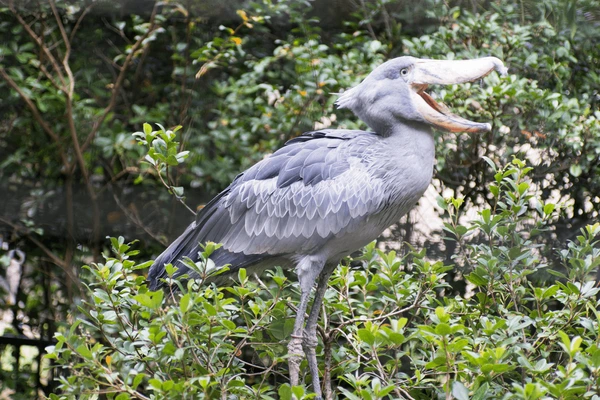
Catch a rare glimpse of the prehistoric Shoebill Stork displaying its iconic shoe-shaped beak within Uganda’s lush marshlands.
1. Mabamba Swamp: The Premier Choice Near Entebbe
Mabamba Ramsar Wetland Sanctuary on the shores of Lake Victoria is undisputed as the easiest, most reliable location to spot the Shoebill Stork in all of Africa. Here is what to expect from the track:
- The Excursion Style: You will board a traditional, narrow wooden motorized canoe navigated by a certified local site skipper. The boat cuts quietly through standard papyrus water channels to find the birds while they stand frozen, waiting to strike at fish.
- Logistical Ease: Located just a short drive or ferry hop from Entebbe International Airport, it fits perfectly as a half-day activity on your arrival or departure day.
- Bonus Avian Sighting Tiers: Beyond the Shoebill, Mabamba holds rich communities of Lesser Jacanas, Malachite Kingfishers, African Pygmy Geese, and Blue-breasted Bee-eaters.
2. Mubwindi Swamp: The High-Altitude Mountain Track
For passionate birders embarking on a comprehensive primate tracking loop, Mubwindi Swamp—nestled deep within the high-altitude valleys of Bwindi Impenetrable National Park—offers a raw, challenging alternative:
The Wilderness Depth: Unlike the canoe floats of Mabamba, tracking the Shoebill in Mubwindi requires an active, rigorous hike down through ancient rainforest slopes alongside armed park rangers.
- Specialized Target Endemics: This track is famous for hosting highly rare Albertine Rift endemics, including the legendary African Green Broadbill, Grauer’s Rush Warbler, and Archer’s Robin-Chat.
Planning a Specialized Avian Birding Tour?
Incorporate priority wetland canoe clearances and expert Albertine Rift tracking guides seamlessly into your avian route.Explore Birding Safaris ➔
3. Expert Field Tips for Successful Shoebill Tracking
Because Shoebills are highly solitary and easily startled, observing them requires specific behavioral and technical adjustments:
- Book an Early Morning Launch: Plan your swamp entrance for **7:00 AM**. Shoebills hunt actively at dawn when lungfish surface for air. Once the day warms up, they stand completely hidden inside dense papyrus clusters or soar high on thermal wind currents.
- Bring a Waterproof Dry Bag: Swamp canoe tracking exposes your specialized camera bodies and binocular optics to water splashes and unexpected morning rain showers. Keep your gear shielded inside an airtight dry bag.
- Use a Lens with a Long Focal Length: Local skippers strictly limit approach distances to preserve the birds’ nesting safety. Pack a lens with a focal length of at least 400mm to ensure clean, high-resolution wildlife portraits.
4. Ethical Birding: Supporting Community Conservation
The survival of the Shoebill Stork depends entirely on community-led conservation efforts. In Mabamba, the local skippers, spotters, and marsh rangers are reformed fishermen who once viewed the wetlands purely as a fishing block. Today, your tracking permit fees go directly toward supporting these community families.
By transforming the Shoebill into an economic resource for local residents, your custom booking directly helps fund year-round wetland patrols to stop illegal poaching and preserve fragile bird habitats.
Ready to See the Prehistoric Shoebill Stork?
Connect directly with the expert local tour operators on the ground in Uganda. We coordinate priority wetland permits, local avian specialists, and extended 4×4 open-roof safari vehicle layouts.Secure Your Quote Now ➔