🦅 EXPERT UGANDA BIRDING TRAVEL GUIDE
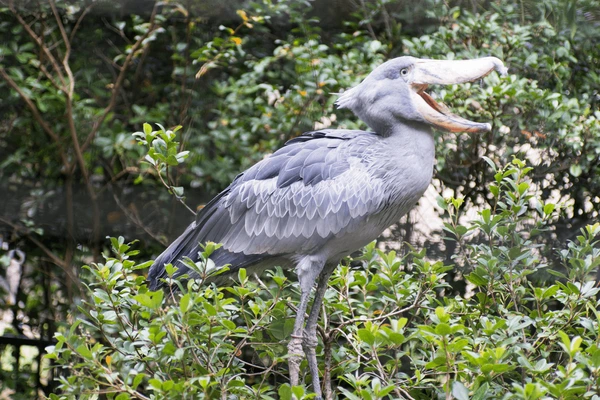
Tracking the prehistoric Shoebill Stork at Mabamba Swamp is widely considered the ultimate bucket-list experience for international birders visiting East Africa. Located on Lake Victoria’s edge near Entebbe, this massive Ramsar-site wetland ecosystem provides the absolute best opportunity globally to witness this rare, vulnerable avian giant up close in its natural habitat.
Why Mabamba Swamp is the Best Place to See the Shoebill Stork
Unlike other remote birding sites across Africa, Mabamba Wetland Sanctuary offers a guaranteed, highly accessible environment to observe the Shoebill Stork (Balaeniceps rex). The swamp is dominated by dense miscanthus grass, papyrus reeds, and water lilies, creating the perfect hunting ecosystem for lungfish—the Shoebill’s primary food source. Because the local community actively protects these marshes, the resident Shoebills have become habituated to traditional motorized dugout canoes, allowing wildlife photographers to capture clear, close-up frames without disrupting the birds.
The Mabamba Shoebill Excursion Experience: What to Expect
Your birding day trip begins with an early morning pickup from your hotel in Kampala or Entebbe. Arriving at the Mabamba landing site, you will board a traditional, stable motorized canoe alongside a certified local site guide and an expert Aamam Safaris birding skipper. As you slip quietly through the narrow papyrus channels, your guides will carefully scan the marsh perches. Shoebills are famous for standing completely motionless for hours while waiting to strike their prey, making them a true thrill to locate. Most travelers enjoy successful sightings within the first 1 to 2 hours of exploration.
Other Rare Bird Species to Spot at Mabamba Wetland:
While the prehistoric Shoebill is the undisputable star of the sanctuary, Mabamba is home to over 300 migratory and resident bird species. Keep your binoculars locked on the canopy to spot these high-value avian targets:
- Malachite Kingfisher and African Pygmy Kingfisher
- Lesser Jacana and African Jacana stepping across lily pads
- Papyrus Gonolek (a rare Albertine Rift papyrus endemic)
- Long-toed Lapwing, Purple Swamphen, and Squacco Heron
- Blue-breasted Bee-eater, Weyns’s Weaver, and Swamp Flycatcher
Essential Travel Tips for Your Mabamba Birding Safari
1. Timing is Everything: The absolute best time of day to visit Mabamba Swamp is between 07:00 AM and 10:00 AM. During these cool morning hours, the Shoebill Stork actively stalks lungfish in shallow waters. Once the midday tropical heat sets in, the birds hide deep within inaccessible papyrus thickets or soar high into the thermals.
2. Packing Guide for Birders: Bring telephoto lenses (300mm minimum recommended for bird photography), high-quality binoculars, a wide-brimmed sun hat, sunscreen, insect repellent, and plenty of drinking water. Wear neutral, earth-toned clothing to blend seamlessly into the marsh environment.
3. Best Season to Visit: Mabamba offers great year-round birding, but the optimal months are during the dry seasons from June to September and December to February. Additionally, European migratory birds arrive between September and March, exponentially increasing your total species count count.
Book a Direct 1-Day Mabamba Shoebill Tour
Are you arriving on a business trip layover in Entebbe, or planning an extended primate circuit package? Aamam Safaris organizes seamless, middle-man-free 1-Day excursions to Mabamba Swamp. We provide private 4×4 ground transport from your hotel, cover all local community canoe hire permits, and pair you with senior local birding specialists.